

Ice or Heat for Plantar Fasciitis in Richmond VA: Which May Help With Heel Pain?
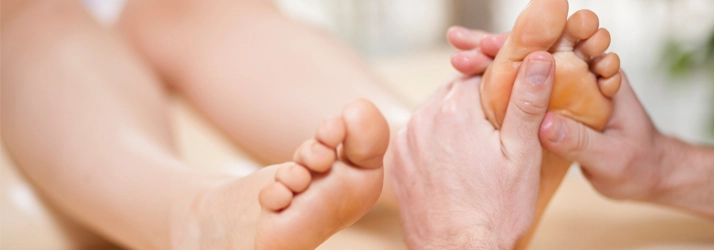
Plantar fasciitis in Richmond VA can make routine activities unexpectedly uncomfortable. Walking to the car, standing at work, exercising, or simply taking the first few steps after waking up may all trigger pain around the heel.
Because symptoms can vary from one part of the day to another, many people try simple at-home methods such as ice or heat. Both can be useful, but they are typically used for different reasons.
At Chiropractic Health and Wellness Center, we focus on conservative care that supports movement, mobility, and overall function. For plantar fasciitis, that may mean combining symptom management with strategies that address joint motion, soft tissue stress, daily habits, and recovery. For persistent cases, non-invasive options such as SoftWave Therapy may also be considered.
What Happens With Plantar Fasciitis in Richmond VA?
The plantar fascia is a strong band of connective tissue located along the bottom of the foot. It stretches from the heel toward the toes and helps support the arch while the foot absorbs pressure during standing, walking, and exercise.
When the plantar fascia is repeatedly placed under too much stress, irritation can develop. This often leads to pain near the heel and, in some cases, discomfort extending into the arch.
Common symptoms may include:
- Heel pain during the first steps in the morning
- Tenderness along the bottom of the foot
- Discomfort after prolonged sitting
- Pain following long periods of standing
- Soreness after walking or exercise
- Tightness in the arch or calf
Plantar fasciitis can be influenced by changes in physical activity, limited ankle mobility, repetitive impact, footwear, prolonged standing, and movement patterns that increase stress on the foot.
Is Ice or Heat Better for Plantar Fasciitis?
When deciding between ice or heat for plantar fasciitis, it helps to think about the type of discomfort you are experiencing.
Ice may be more useful when the heel feels sore or irritated after activity. Heat may be a better option when stiffness is the main problem.
Neither method should be viewed as a complete solution. They are generally used to make symptoms more manageable while other factors contributing to plantar fasciitis are addressed.
When Ice May Be Helpful
Cold therapy is often used after activities that increase heel pain.
The cooling effect can temporarily numb the area and reduce the sensation of soreness. It may be especially helpful after:
- A long walk
- Exercise
- Extended periods of standing
- Increased activity
- Time spent on hard surfaces
A cold pack wrapped in a towel can be placed over the heel. Another option is to roll the foot slowly over a frozen water bottle.
The frozen bottle method combines cooling with gentle pressure along the bottom of the foot.
Ice should not be placed directly against bare skin. Using a thin towel or cloth as a barrier can help protect the skin.
When Heat May Be More Comfortable
Heat may be useful when plantar fasciitis causes more stiffness than soreness.
Many people notice that the foot feels tight after waking up or after sitting for a long period. Gentle warmth may help the tissues feel more relaxed before walking, stretching, or performing mobility exercises.
Common options include:
- A warm foot soak
- A warm towel
- A heating pad on a low setting
- A warm shower
Heat should feel comfortable rather than overly hot.
If the heel is visibly swollen or feels especially irritated, cold therapy may be more appropriate at that time.
Can You Use Ice and Heat at Different Times?
Yes. Some people use both depending on how the foot feels during the day.
For example, heat may be used before stretching in the morning, while ice may be applied later if standing or exercise causes the heel to become sore.
The goal is to use each method for the symptom it is best suited to.
If you find yourself repeatedly relying on ice or heat with little lasting improvement, it may be time to look at the broader factors contributing to the condition.
How Chiropractic Care May Fit Into Plantar Fasciitis Care
The foot works as part of a larger movement system.
Restrictions in the ankle, knee, hip, pelvis, or lower back can influence how weight and force move through the lower body. When one area is not moving efficiently, the foot may absorb additional stress.
At Chiropractic Health and Wellness Center, we consider these relationships when evaluating musculoskeletal discomfort.
Depending on the individual, care may include chiropractic adjustments, mobility work, soft tissue techniques, stretching recommendations, and guidance on movement habits.
The goal is to improve function and help reduce unnecessary strain on the plantar fascia.
Additional Ways to Reduce Heel Stress
Home care for plantar fasciitis often works best when several strategies are used together.
Helpful steps may include:
- Wearing supportive footwear
- Replacing shoes that have lost support
- Stretching the calves and bottom of the foot
- Improving ankle mobility
- Reducing activities that repeatedly increase pain
- Gradually increasing exercise intensity
- Taking breaks from long periods of standing
These adjustments can help reduce repeated stress and give the tissue a better opportunity to recover.
When Plantar Fasciitis Does Not Go Away
Some cases improve with consistent conservative care. Others become persistent and continue for weeks or months.
One reason plantar fasciitis can be difficult to resolve is that the plantar fascia is loaded every time you stand or take a step. Even normal daily movement can continue to stress irritated tissue.
If home care is not providing enough improvement, additional treatment options may be worth exploring.
SoftWave Therapy for Persistent Plantar Fasciitis
SoftWave Therapy is a non-invasive treatment that uses acoustic waves delivered to targeted areas of tissue.
These waves are designed to stimulate a biological response that may support circulation, cellular activity, and the body's natural tissue repair processes.
For plantar fasciitis, treatment can be focused around areas of tenderness near the heel and along the bottom of the foot.
This approach differs from ice and heat because it is intended to interact with the affected tissue rather than simply provide temporary symptom relief.
What to Expect During SoftWave Therapy
During a SoftWave Therapy session, a provider uses a handheld device to apply acoustic waves to the treatment area.
The therapy does not involve injections, incisions, or surgery. Sessions are typically brief, and treatment recommendations may vary depending on how long symptoms have been present and how severe they are.
An evaluation can help determine whether SoftWave Therapy may be appropriate based on your symptoms, activity level, health history, and goals.
Find Plantar Fasciitis Care at Chiropractic Health and Wellness Center
Plantar fasciitis can make it harder to stay active and comfortable throughout the day.
Cold therapy may help after activity when the heel feels sore, while heat may be more useful before movement when stiffness is the bigger concern. Chiropractic care, mobility work, supportive footwear, stretching, and activity changes may also contribute to a more complete approach.
At Chiropractic Health and Wellness Center, we provide personalized, conservative care focused on helping patients improve movement, comfort, and function.
If plantar fasciitis continues to interfere with your daily routine, contact Chiropractic Health and Wellness Center to learn more about available treatment options, including chiropractic care and SoftWave Therapy.

OFFICE HOURS
Monday
7:30am - 12:30pm
2:00pm - 6:00pm
Tuesday
1:30pm - 6:00pm
Wednesday
7:30am - 12:30pm
2:00pm - 6:00pm
Thursday
1:30pm - 6:00pm
Friday
7:30am - 12:00pm
Saturday & Sunday
Closed

Chiropractic Health and Wellness Center
5412 Glenside Dr Suite E
Richmond, VA 23228
P: (804) 359-6999
F: (804) 359-6987